“How’s the air in Beijing?”, I get asked. Very often.
Ask any foreigner and the first thing they think about when discussing Beijing is its air quality. I’m no exception, having fallen victim to the bad winter air myself in the early 2010s in Tianjin. I practically crawled my way to the hospital on numerous occasions. Not surprisingly, one of the main considerations when we were deliberating our move to China this time round was whether we were being irresponsible parents by bringing up our children in this city, notorious for its off-the-charts pollution levels.
The husband and I did our own due diligence before we made the call to relocate to Beijing. Folks who’ve ‘served their time in Beijing’ were divided to say the least – while some picked up and left years ago, those who remained told us that the Beijing air has been a lot better in recent years. While skeptical, we were also assured that new technology (unheard of 7+ years ago) has also allowed residents to have indoor air purifying systems at affordable prices. It seemed reasonable to assume that we could somehow now control some of the air we breathe.
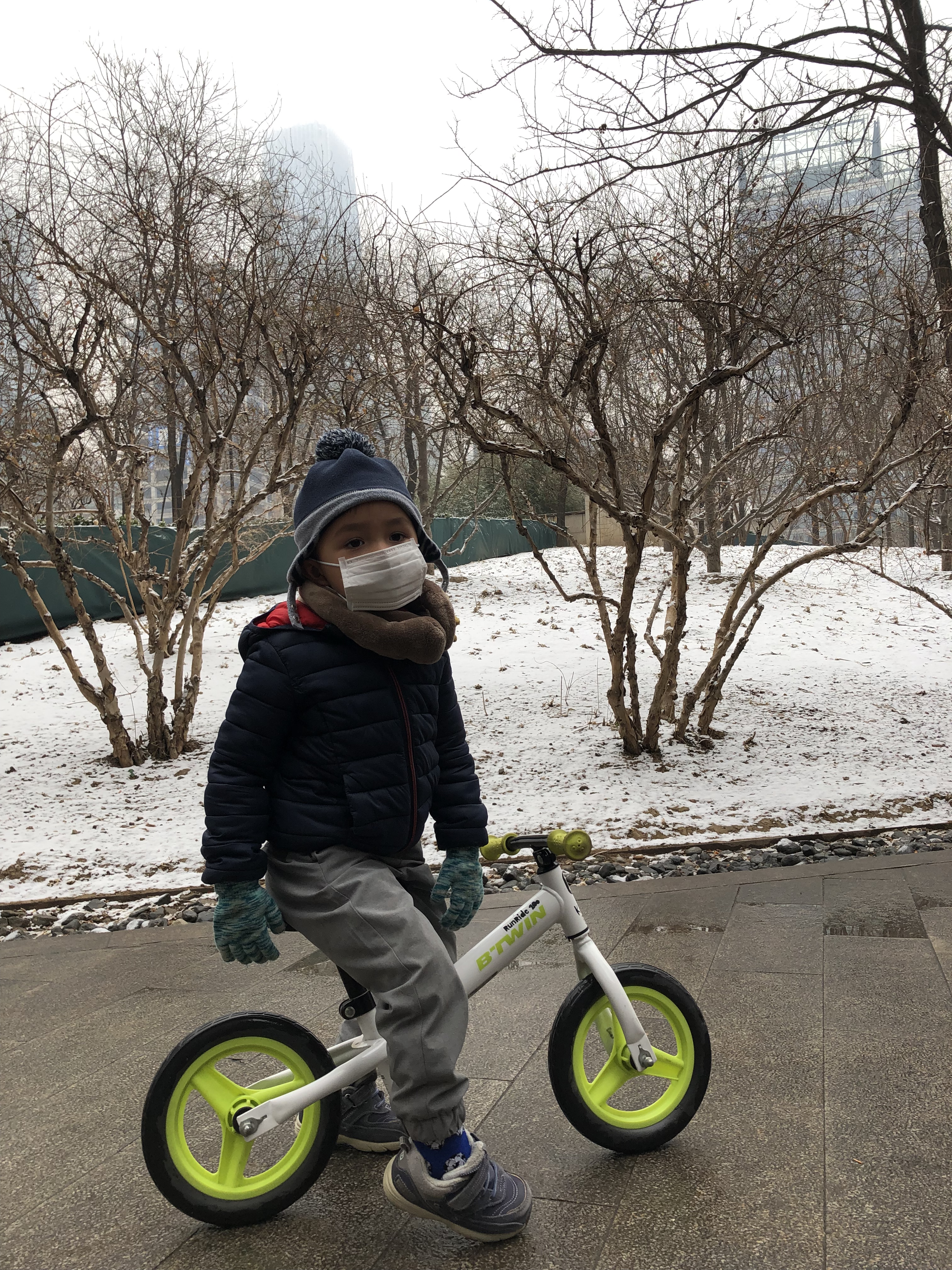
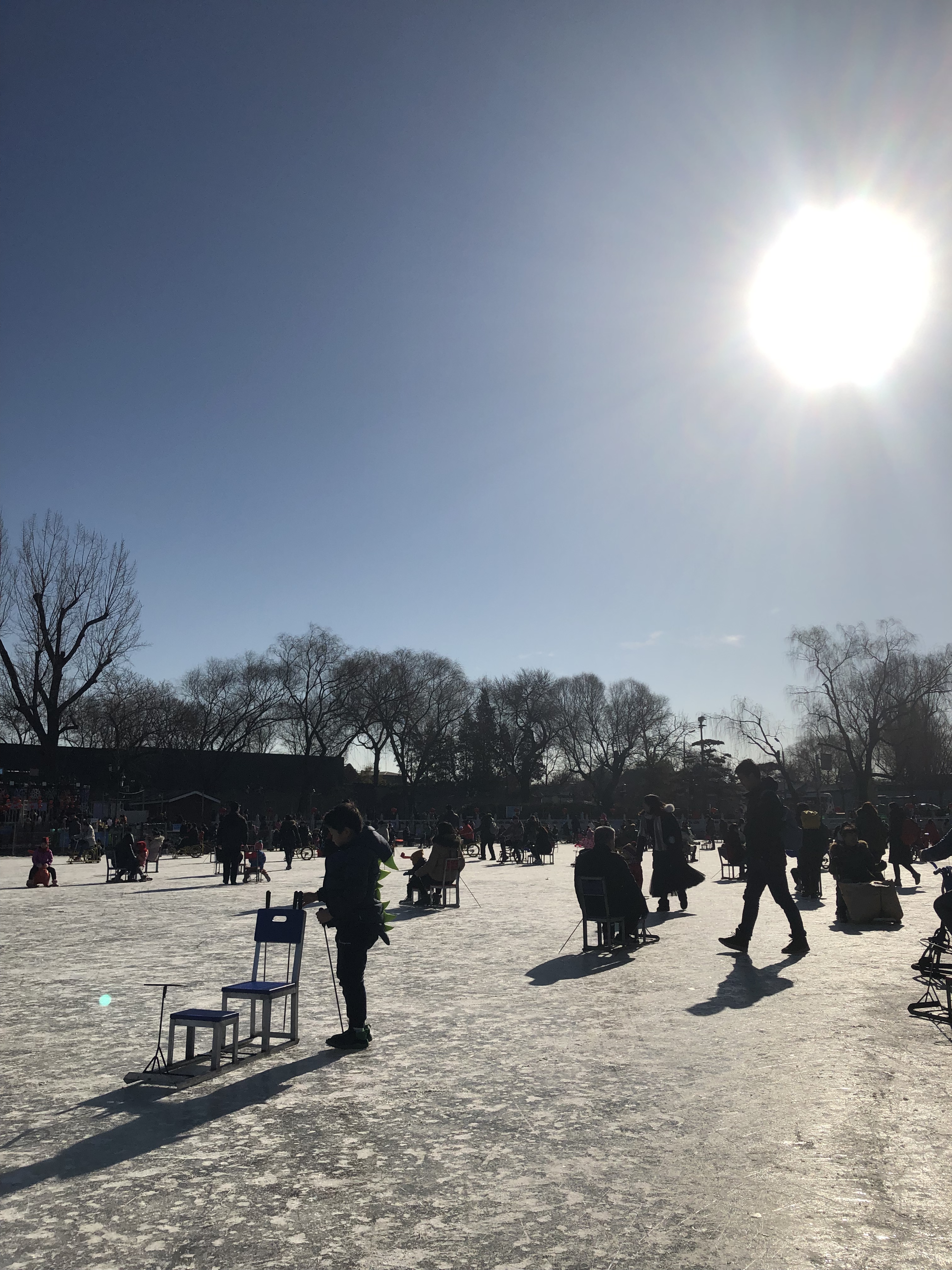
Almost five months back onto Beijing soil now, and I have to say, even with expectations of a positive kind, Beijing has really surprised us. The number of times we used a PM2.5 mask since we arrived can be counted on one, max two hands. In fact, we had so many blue sky days this very winter that I started to get very suspicious about whether the government had done something peculiar enough to literally paint the sky pastel blue.
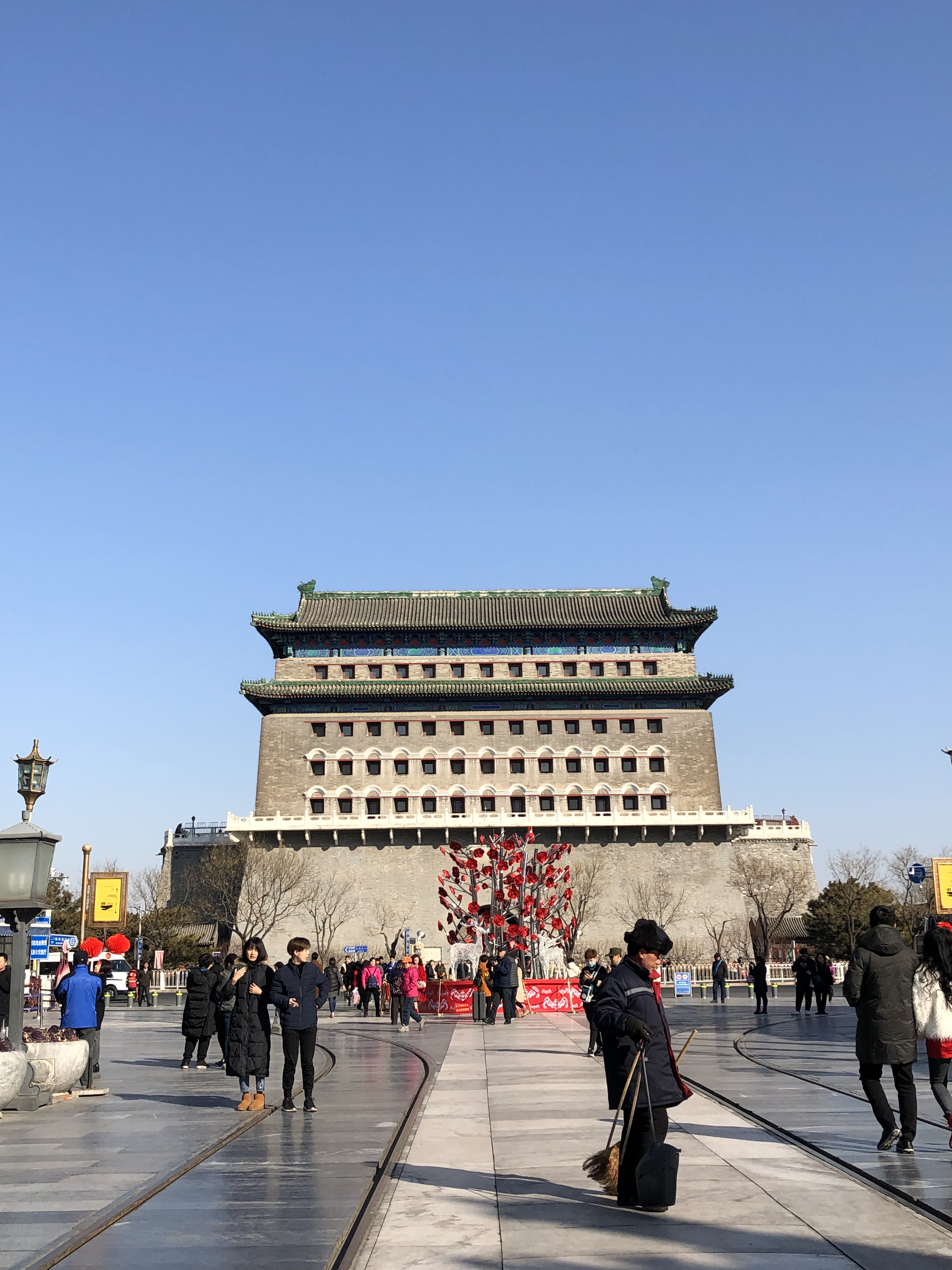
I meanwhile couldn’t resist but do a lot more reading into the very measures China has undertaken to arrest its environmental challenges. Podcasts,books, news briefs and research papers – I spent the past three months trying to better understand China’s actions that might have given me some much-neededinsights into its blue skies. Here’s what I’ve gathered:
Firstly, Beijing’s winters are generally super dry. Its geographic location next to Inner Mongolia’s Gobi Desert might have something to do with it I suspect, but the effects of the La Nina have apparently brought about stronger air pressure from northern Siberian, keeping out the warmer moist air from the tropics. Compare the average humidity levels in European winters which usually hover between 40%-60%; Beijing’s humidity levels are often around 15% – 30%. Coupled with very little cloud cover hovering over the city, we’ve had a great dose of sunshine pouring in.
Secondly, Beijing’s draconian measures to combat its carbon emissions have started to show some effect. I wrote about some of it here. In a nutshell, China has waged war against its own traditional ways of doing practically everything – from manufacturing, energy production, transport. Even the villagers’ way of life has not been spared, especially those who reside in the outskirts of Beijing – many of whom have had their coal ovens removed and made to switch to natural gas overnight. Municipalities and city officials themselves have been put in a tight spot – ranked up against one another with ambitious emission targets over five years. It is hard to think how a country of such size and complexities can implement such drastic measures so quickly and efficiently, but that is China for you. (In many ways, Singapore on a much smaller scale does produce such an effect, but many would argue otherwise especially when discussing single-use plastic…)
Many other factors also contribute to the incredible blue sky days – some mind-blowing (a 143-page battle plan), other possibly laughable (advisory on perfume and hair gels). However, when you see the results being documented by even the most skeptical of journalists, you do suddenly realise this is no laughing matter. When China has the will to see an end to its pollution, it sure is making sure it finds a way.
That said, 2019 will be a real test to China’s resilience in managing its green policies. With the economic gloom now taking its toll, the government has a difficult balancing job to do sticking to its environmental targets, while ensuring it is still on a growth trajectory. One of the most significant of decisions is the downsizing of its coal industry that is still keeping millions of workers across the country employed. Renewables – solar in particular – have been China’s ticket to a new green movement. But even with heavy-handed actions to transition coal workers to clean energy, these new industries are only most labour intensive at the infrastructure stage. Let’s see if XJP’s environment commitment is able to withstand the test of time.
In the meantime, as you’d know it – I really am soaking up the clear blue skies with the boys. It is such a treat to be able to spend the weekends exploring Beijing’s beautiful nooks and crannies without worrying about how our lungs would handle the trip. Makes you realise more than anything – the true and priceless value of clean air.
 Little Roots in China