
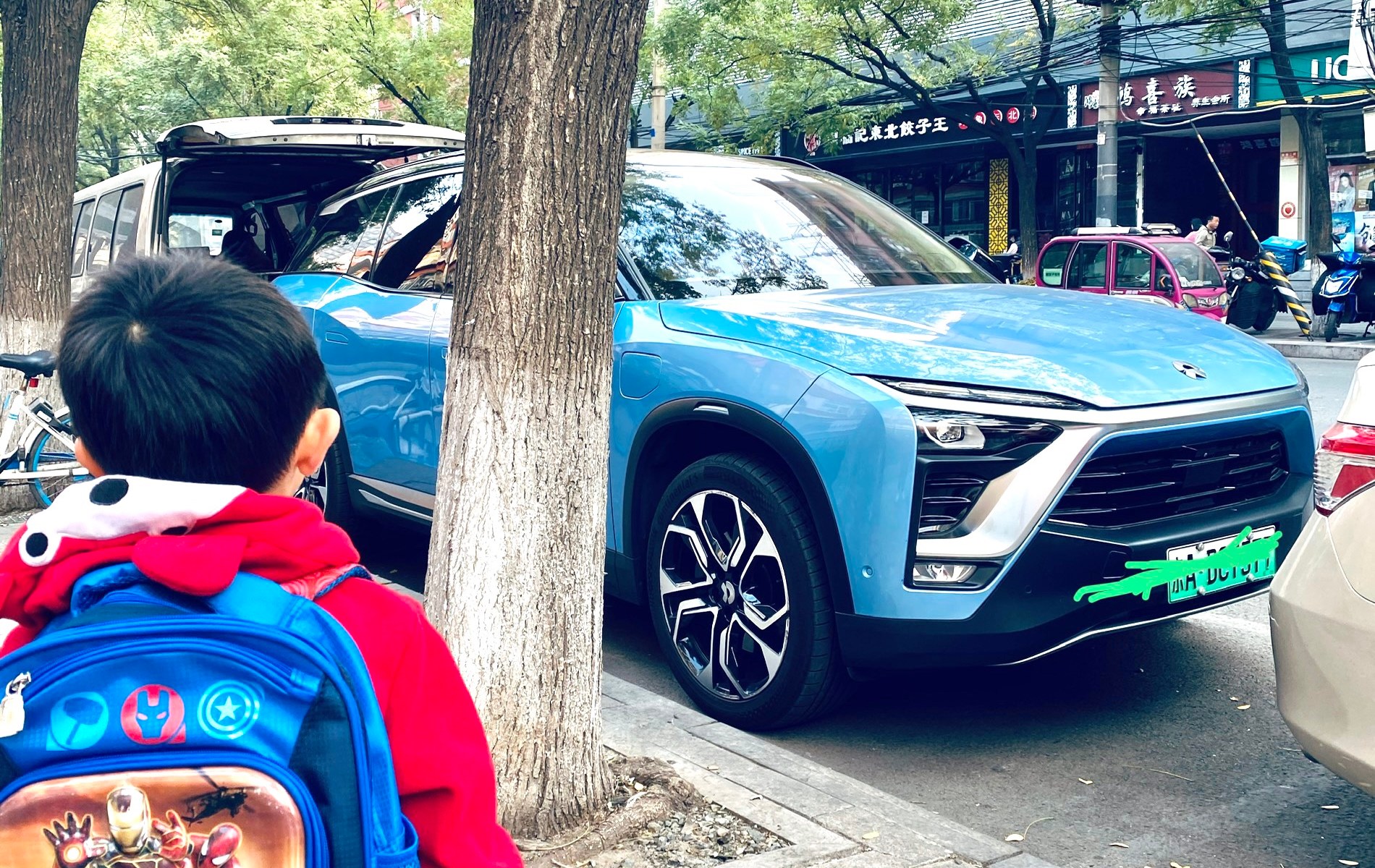

Cars are cherished when kids come around.
For most of us conscious about the environment, cars are the one thing that tends to put us in a fix. We enjoy the luxury of getting into a safe and comfortable vehicle without having to plan our travels ahead of time. Yet, at the back of our minds, the constant question that plagues us: How can we travel without burning up more fossil fuel?
When you’re a parent, the conundrum becomes even more pronounced. With all the junk you have to lug around, you dream of that one vehicle where you can store your bikes, strollers, car seats and toys until your kids actually become a useful pair of hands.
Since we started having kids, my husband and I chose to drive the lowest fuel consumption cars we could find. We settled on the hybrids during our years in Singapore, as they were the most cost and fuel-efficient models.
What families need: affordable vehicles that don’t cost the planet
For the longest time, my personal experience with electric cars has been that of an elusive dream for the exclusive.
The only electric cars I was acquainted with were either extremely small (like the minature 2-seaters looping around smaller districts), or extremely expensive (think Tesla and BMW). For the average family, this was completely unrealistic.
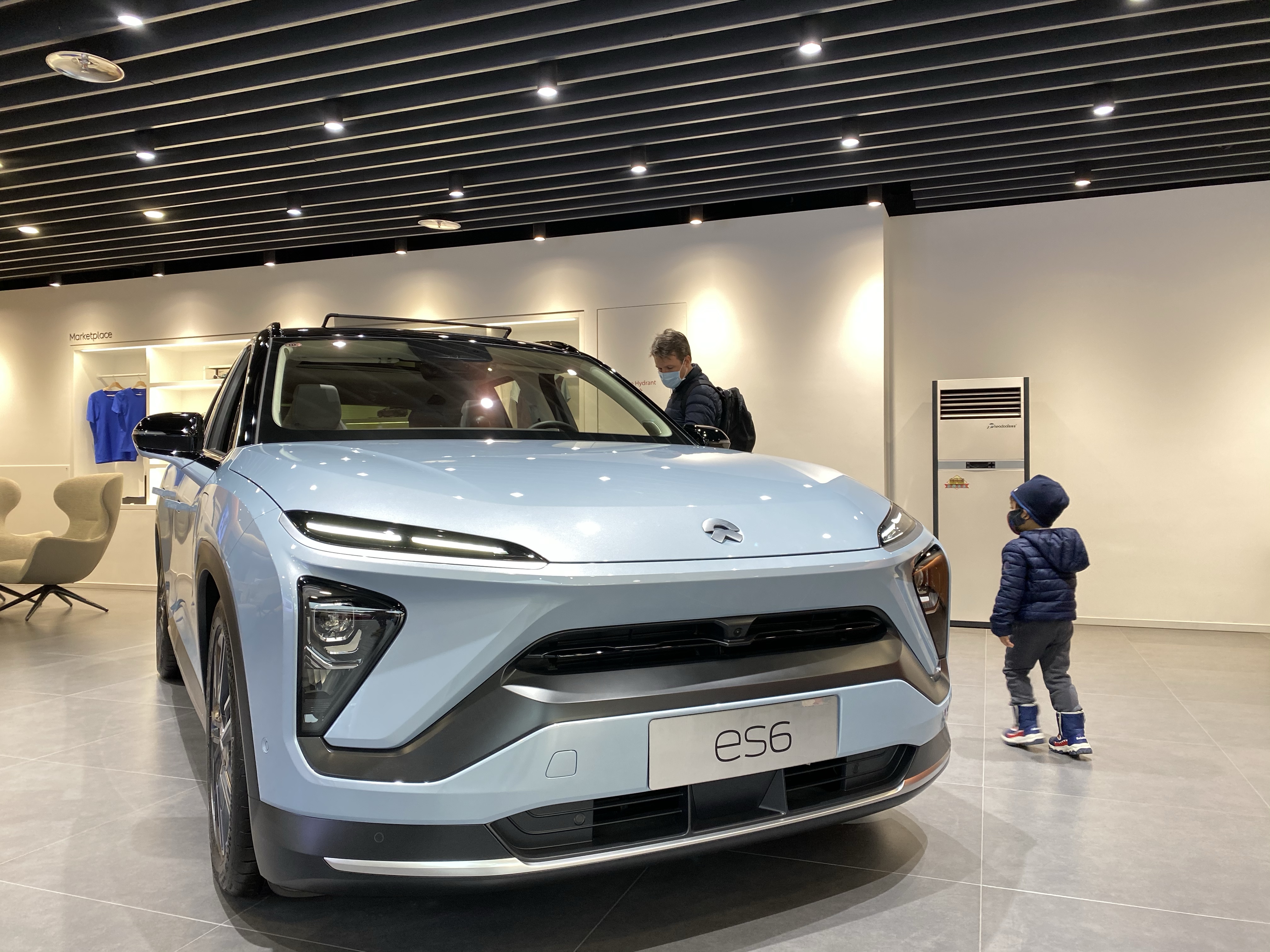
NIO – a two-year old company – is now valued at $53bn, surpassing even the century old General Motors.
Being in China now, we are finally waking up to what all the “e”-fuss is about.
In case you haven’t heard, China is already the world leader in electric mobility. 99% of the world’s electric buses are running in the country; while China’s high-speed railways are also increasingly electrified. Over 1,000 electric charging points are added across the country every day. In fact, China already has plans to phase out all its gas-burning cars by 2035.
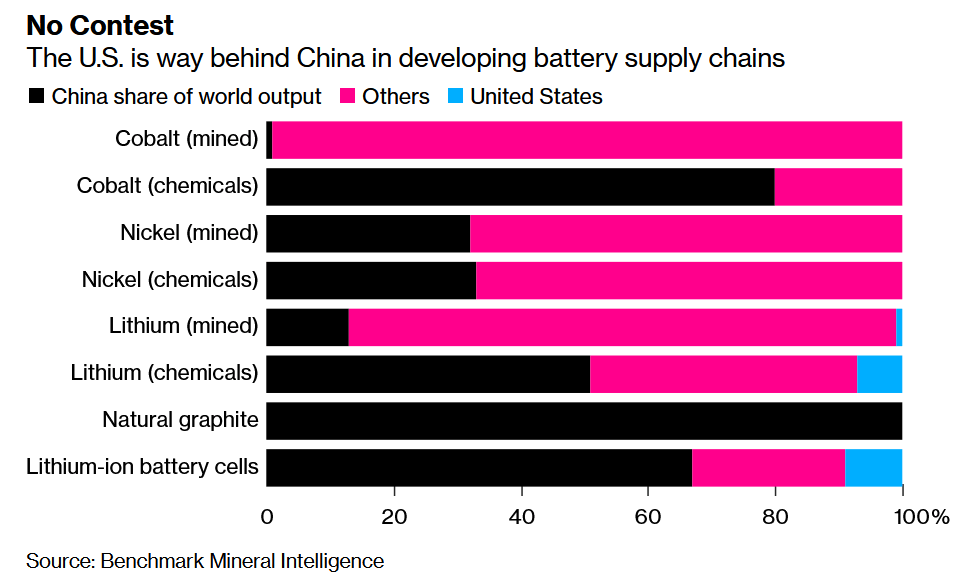
Over the past decade, the country’s automakers have not only made leaps and bounds in acquiring core skills in automaking technology, they have leapfrogged in battery technology so far that an entire ecosystem has already developed.
And so for our family of four in Beijing, we worked out a system where we could rely on a number of transport options to get around with the lowest possible footprint – Vincent’s electric scooter for work; shared bikes for getting around the city; and car rentals for longer distances.
This arrangement works well for an urban city life. It is cost-effective, and well, helped us feel better about our carbon footprint.

Last September though, changed my life. We had our first taste of a fully electric car. And our first interaction with charging one remotely.
Not only myself, the entire family was blown away by the experience.
Enter the electric vehicle made for the average Joe
We rented a fully electric vehicle for a weekend drive to the countryside. It was a bit of an oversight on my part as I chose the cheaper car option for the weekend, without having realised it was an electric car.

I was nervous when we first went to collect it. In my head were so many questions: . How does the car operate? Will we be able to charge our battery along the way? What if our battery dies? Where are the charging points?
The rental car guy was simply amazing. He did a step-by-step instruction on charging the car. “Open, click on button, plug in, open app, charge”. It was very straightforward, and idiot proof.
Over that weekend, we drove about 220km. The battery capacity could actually accommodate the entire trip, but we didn’t want to take the risk and charged the car while we had dinner nearby.
The experience was so seamless, that once it was fully charged, it dawned upon me that this was going to be a real game changer.

Here are the cost breakdown in case you’re wondering:

Needless to say, from that weekend on, something cliqued for Vincent and I. We realised that China has actually made it feasible for the average person to consider a more cost efficient, carbon-reduced alternative that many of us have dreamed about.
Adoption towards EV is akin to moving a mountain
The most challenging bit about encouraging more sustainable practices is changing a person’s lifestyle.
Single use plastic, taking public transport where possible, switching off the lights when you use them – these are actions that require greater education, but also more thought and action.
This is also why the adoption of electric vehicles has failed considerably in many countries for so many years. These fuel efficient models have been around for decades, but successful business models never realised.

Unsurprisingly, the lack of real government incentives to foster industry development is a key factor, and this is especially crucial for countries where car automation is a significant contributor to the economic pie.
China had a headstart in the electric vehicle industry because they couldn’t compete in the conventional automotive industry. And so it took massive government support to shift its entire gas burning vehicle industry into a one that could justify its already fluorishing renewable energy sector.
Today, even though EVs are only 5% of its car market, China has 107 of the world’s 142 lithium-ion mega-factories, along with a whole suite of ancillary market to support battery development and EV solutions. By 2025, EVs will be at 20%. I’m not surprised if the market outperforms its target.
Is EV really the future for a sustainable planet?
Affordable EVs are great for us families lugging around junk three times the weight of our tiny tots, but the truth is EVs aren’t exactly great for the planet.
There’s plenty of human and environmental exploitation taking place in the extraction of rare minerals to develop our batteries in the poorest of parts of the world, not forgetting that electricity still comes from the grid, much of which isn’t coming from renewables. Read more here: https://www.eco-business.com/news/exploitation-rife-among-firms-mining-minerals-for-renewables-electric-vehicles-report/
However, I think it is time we move away from the dirty business of fossil fuel and really challenge our industries to recreate the possibilities of cleaner transport that is shared by everyone from all social classes.
In my humble opinion, China’s the closest market that’s striving to make that happen.
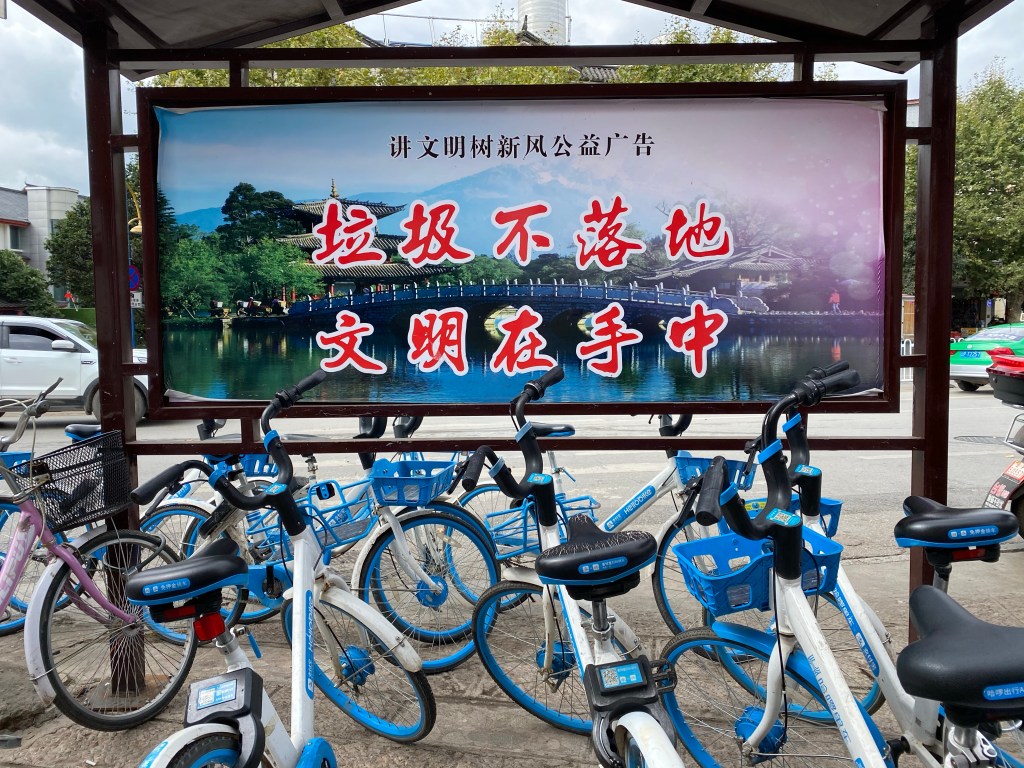
From beating the coronavirus to managing trash, the country is obsessed with making civic duties part and parcel of every citizen’s responsibility.
 Little Roots in China
Dear Junice,
a very instructive report well done congratulation
To remember, see added photo.
As we are in confinement, we have time to âclean up â some items in the cellar. On the photo already some photos have been removed from Christiane to put them again in the album. Have a good week with your fantastic childrens and the best husband !!!??? Haha
Felix
De : Little Roots in China Envoyé : lundi, 16 novembre 2020 08:57 à : felix.nicolier@bluewin.ch Objet : [New post] Chinaâs electric vehicles are stuff that dreams are made of
JustJunice posted: ” Canât fight it. Cars are cherished when kids come around. For most of us conscious about the environment, cars are the one thing that tends to put us in a fix. We enjoy the comfort of getting into a safe and comfortable vehicle without having to plan”